Siya
Meaning of Siya
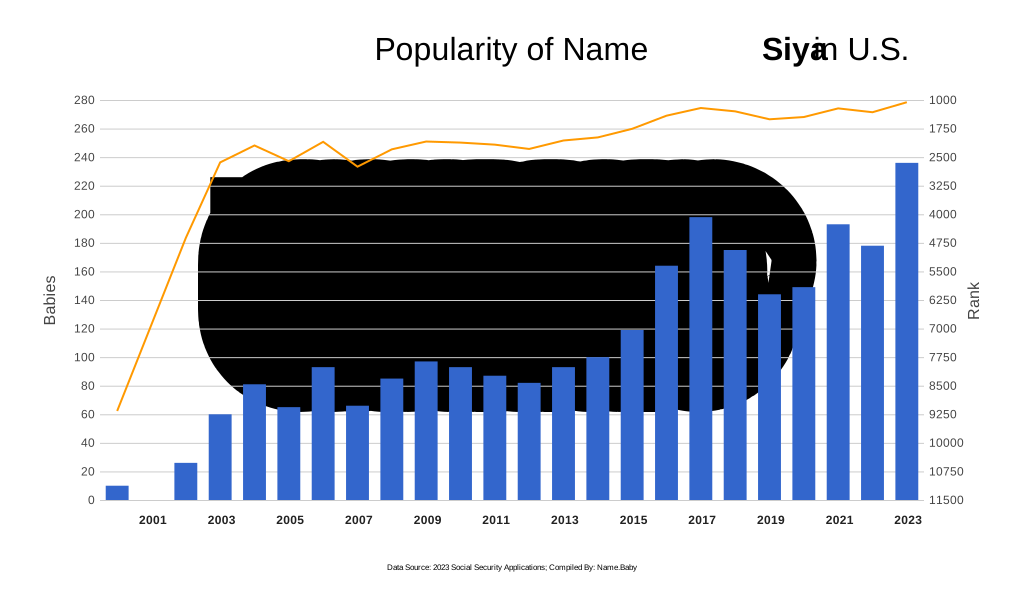
Siya, pronounced SEE-yah (/ˈsi.ja/), flows through two linguistic riverbeds—Sanskrit and Zulu—carrying with it both the shimmer of myth and the cadence of communal gratitude. In the Indian tradition, Siya is a tender diminutive of Sītā, the Ramāyaṇa’s luminous heroine whose steadfastness is likened to the perennial lotus; thus the name is often read as an emblem of fertile earth, constancy, and golden-hued grace. South of the equator, among Nguni tongues, Siya functions as an independent form clipped from compounds such as Siyabonga (“we are thankful”) or Siyanda (“we are increasing”), imbuing the bearer with a quiet declaration of collective optimism—almost a whispered nunc dimittis of a community on the move. Although Stateside statistics reveal that fewer than 300 newborns joined the annual cohort even at the 2024 peak, the slow but steady rise from rank 890 at the millennium’s turn to 669 today suggests that, like a modest star edging toward the meridian, Siya is content to shine without clamoring for the zenith. The name therefore offers parents a rare trinity: mythic gravitas, sociolinguistic warmth, and statistical distinctiveness—an elegant troika for those who prefer their choices both meaningful and, to borrow a Roman adage, sub rosa.
Pronunciation
Zulu,Hindi
- Pronunced as SEE-yah (/ˈsi.ja/)
U.S. Popularity Chart
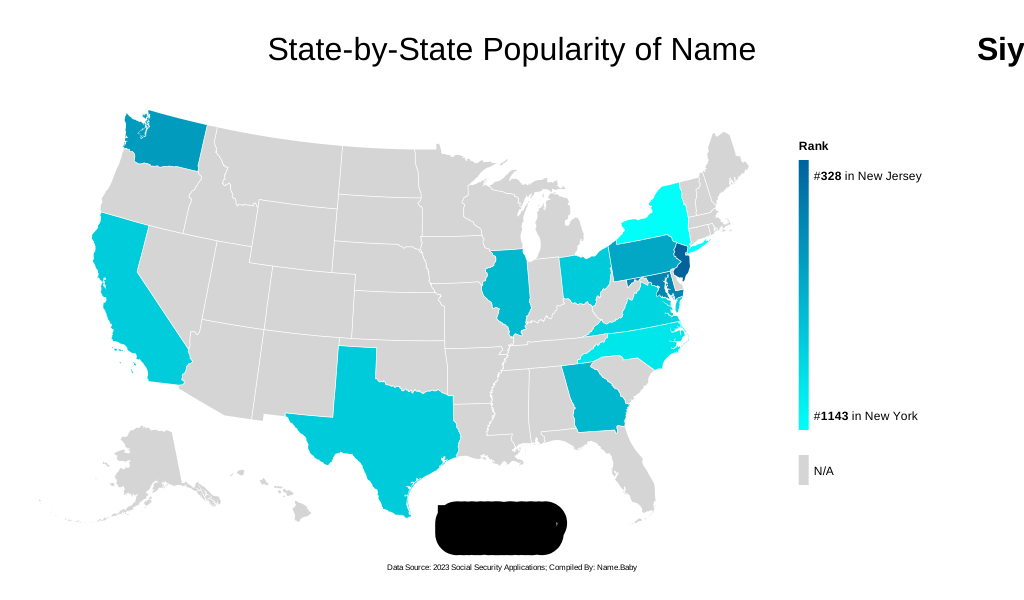
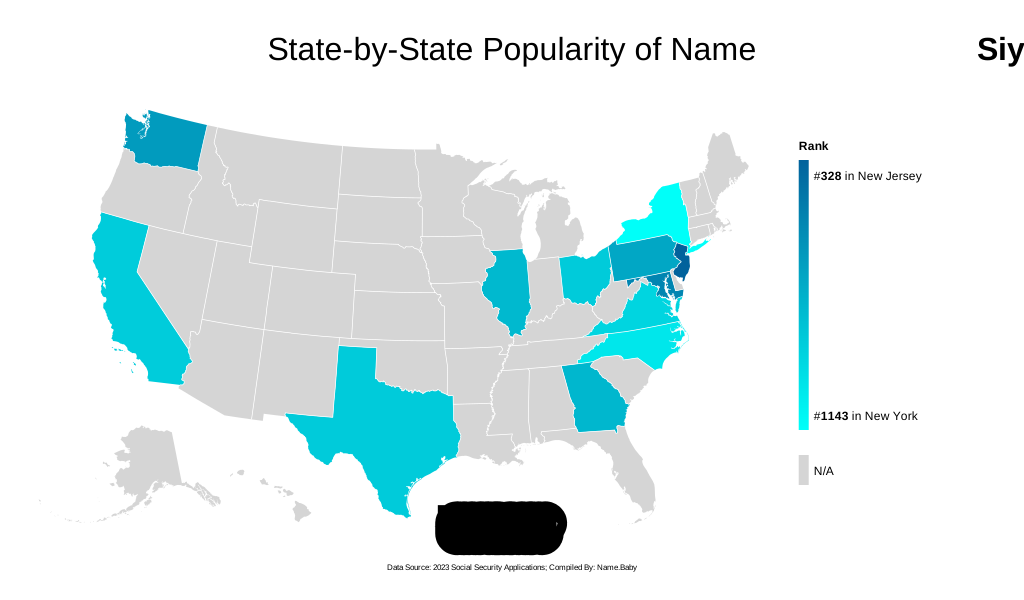
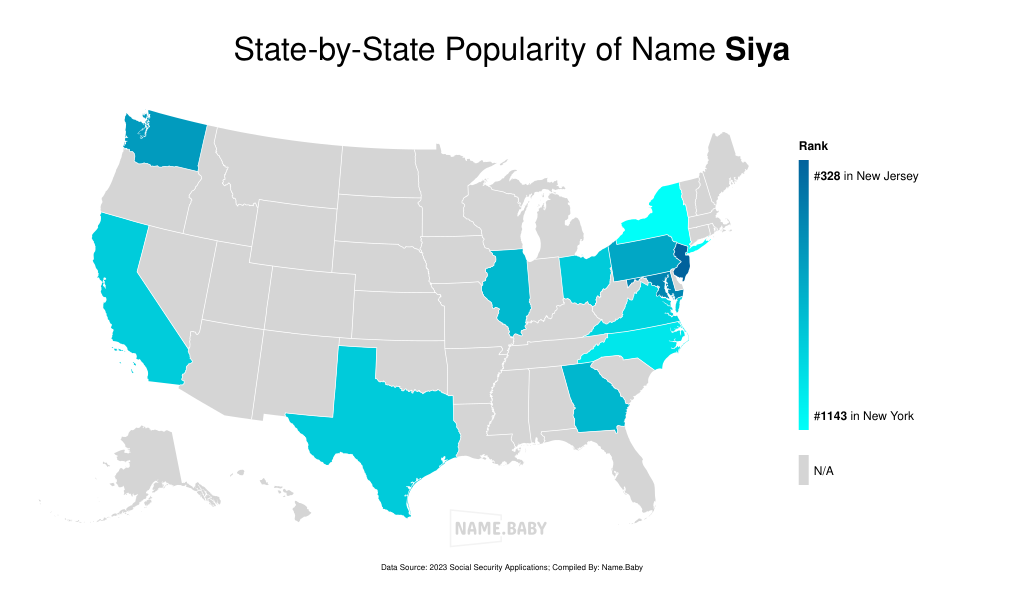
States Popularity Chart
Notable People Named Siya
| Siya Kolisi - |
| Siya Masuku - |
