Stephano
Meaning of Stephano
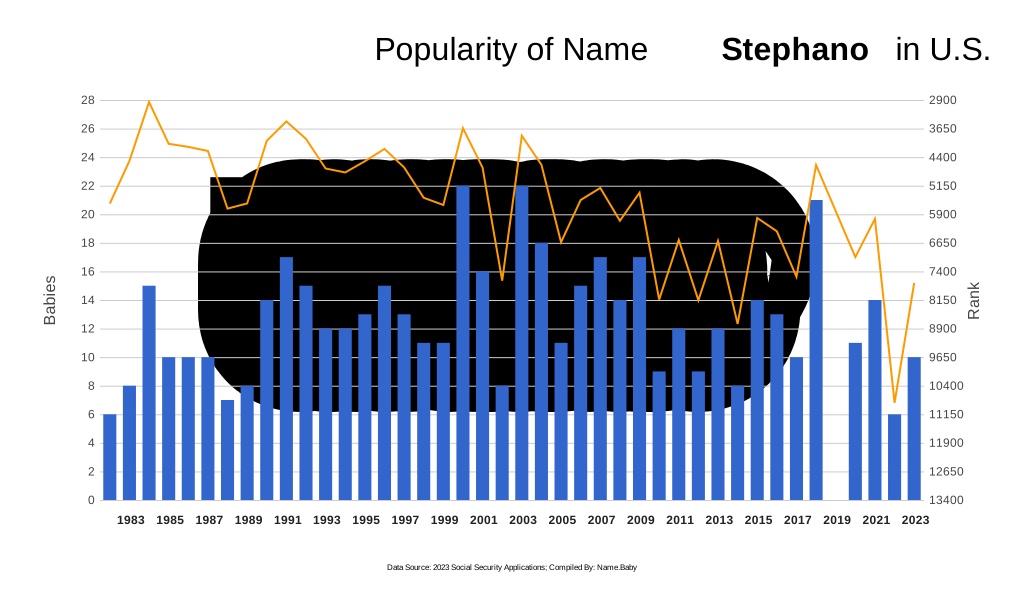
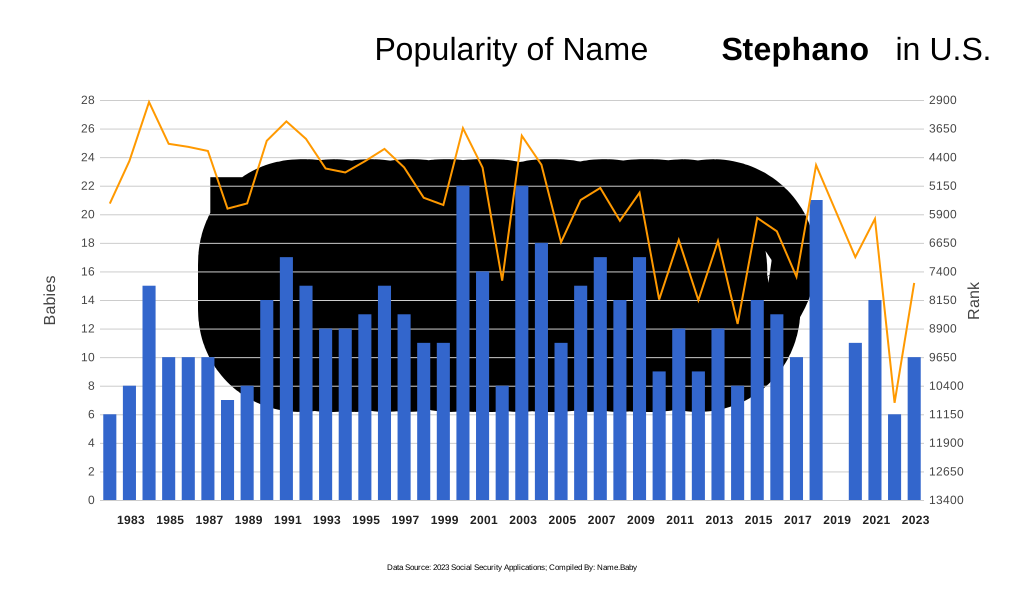
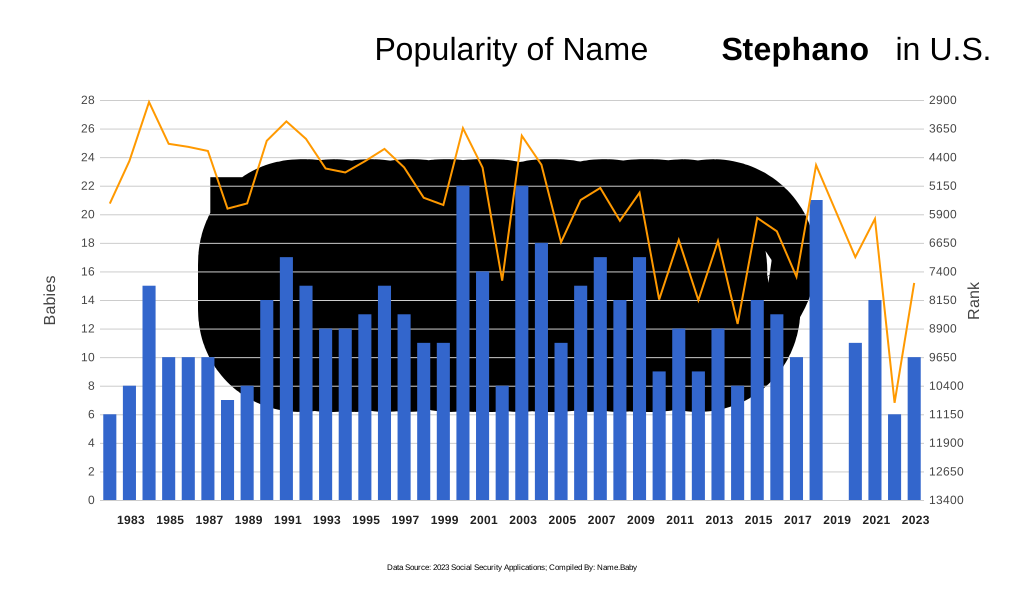
Stephano, an Italian masculine appellation etymologically rooted in the ancient Greek Stephanos—literally “crowned”—unfolds as a sonorous tapestry of classical resonance and Latin elegance. From its earliest attestations in the hallowed annals of Christian hagiography, where martyrs bore the name as both mantle of faith and emblem of celestial reward, to its theatrical incarnation in Shakespeare’s The Tempest, Stephano has traversed centuries draped in the verdant symbolism of laurel wreaths and triumph. Phonologically rendered as steh-FAH-noh (/steˈfano/) on the Italian tongue, it evokes the gentle susurrus of Mediterranean breezes and sun-warmed piazzas; yet, across the Atlantic, its measured recurrence in U.S. birth registers—nestling around the nine-hundredth rank in recent annual tallies—attests to a quiet but enduring allure. In academic terms, Stephano’s morpho-semantic interplay between “crown” and “honor” bequeaths to its bearers an aura of dignified distinction, positioning the name at the confluence of storied tradition and modern individuality.
Pronunciation
Italian
- Pronunced as steh-FAH-noh (/steˈfano/)
U.S. Popularity Chart
Notable People Named Stephano
| Stephano Carrillo - |
| Stephano Barberis - |
