Teagin
Meaning of Teagin
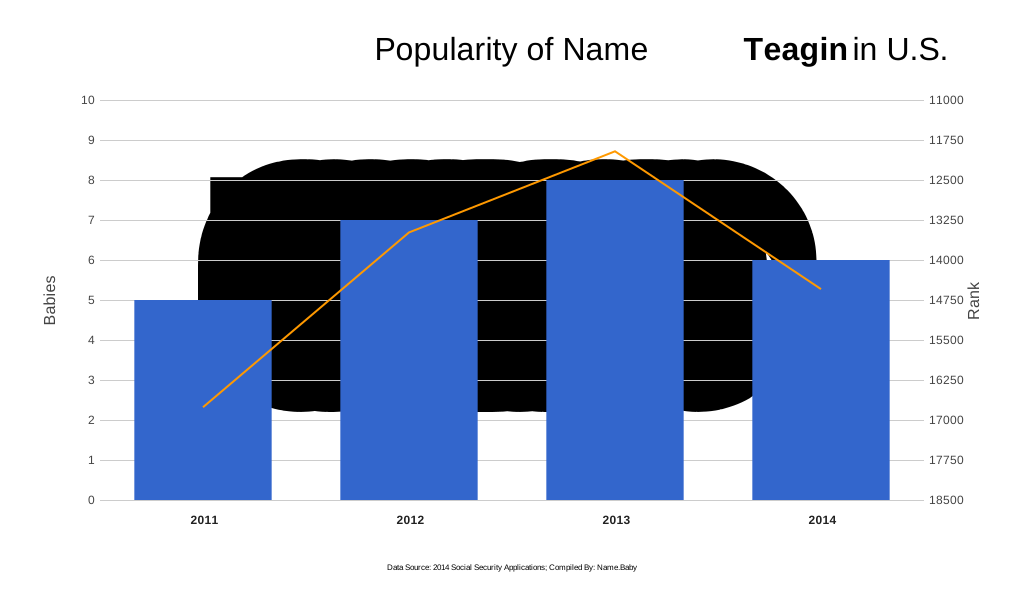
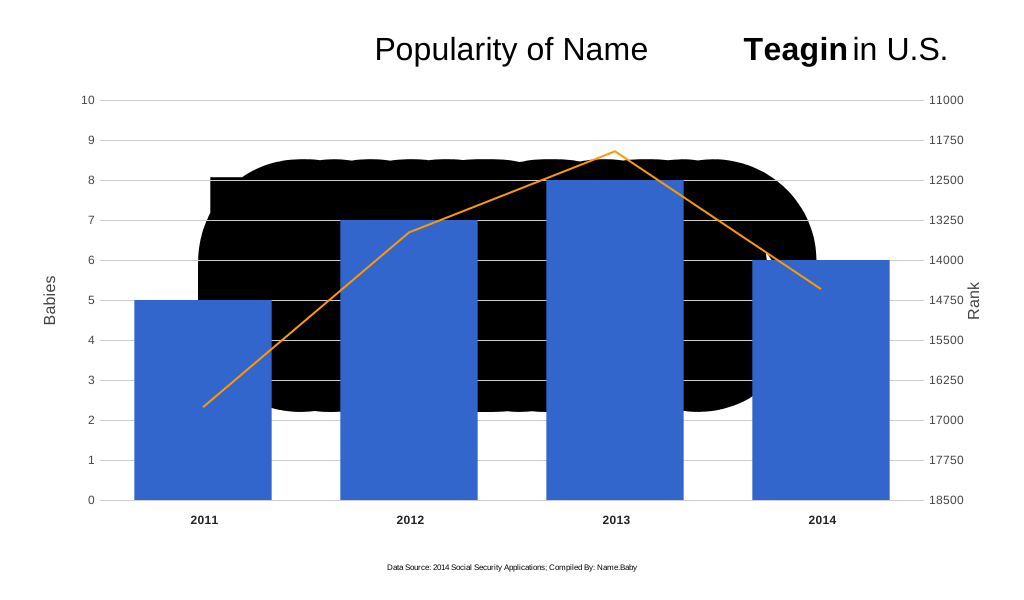
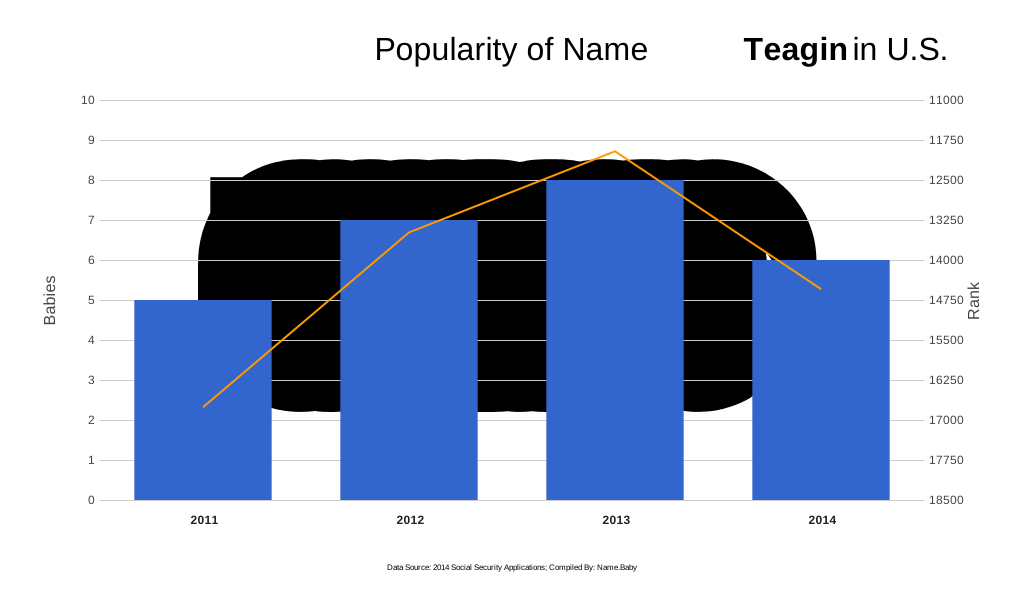
Teagin glides into a child’s life like a raindrop dancing on a monsoon leaf, carrying centuries of Celtic poetry in its syllables. Rooted in the misty hills of Ireland and born from the Gaelic word “Téagán”—little poet and beloved beauty—it’s a unisex melody that flutters across continents with equal grace. In its homeland it’s sung TAY-gin (/ˈteɪɡɪn/), while on American playgrounds it pirouettes as TEE-gin (/ˈtiːdʒɪn/), yet in both it conjures visions of eloquence and creativity. Picture an animated Mumbai auntie, sari swirling, proclaiming over steaming chai: “Teagin has arrived!”—a name that dazzles like Diwali lights and hums like a sitar in monsoon mist. Though its U.S. debut between 2011 and 2014 hovered with just five to eight newborns—nestled in the mid-900s on the popularity charts—Teagin remains a hidden jewel, ready to script its bearer’s story with playful brilliance.
Pronunciation
Irish
- Pronunced as TAY-gin (/ˈteɪɡɪn/)
American English
- Pronunced as TEE-gin (/ˈtiːdʒɪn/)
U.S. Popularity Chart