Xamira
Meaning of Xamira
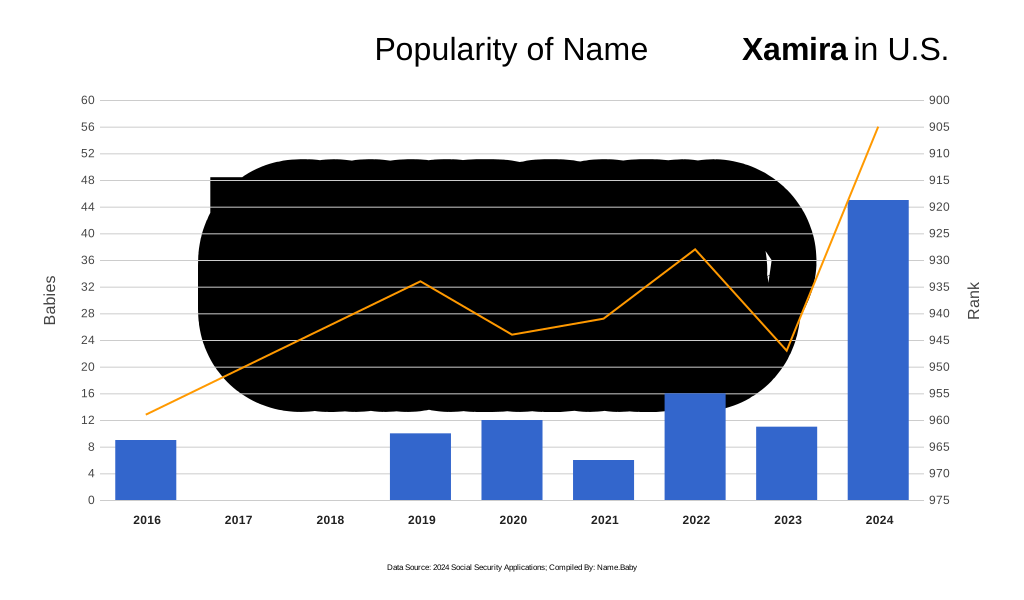
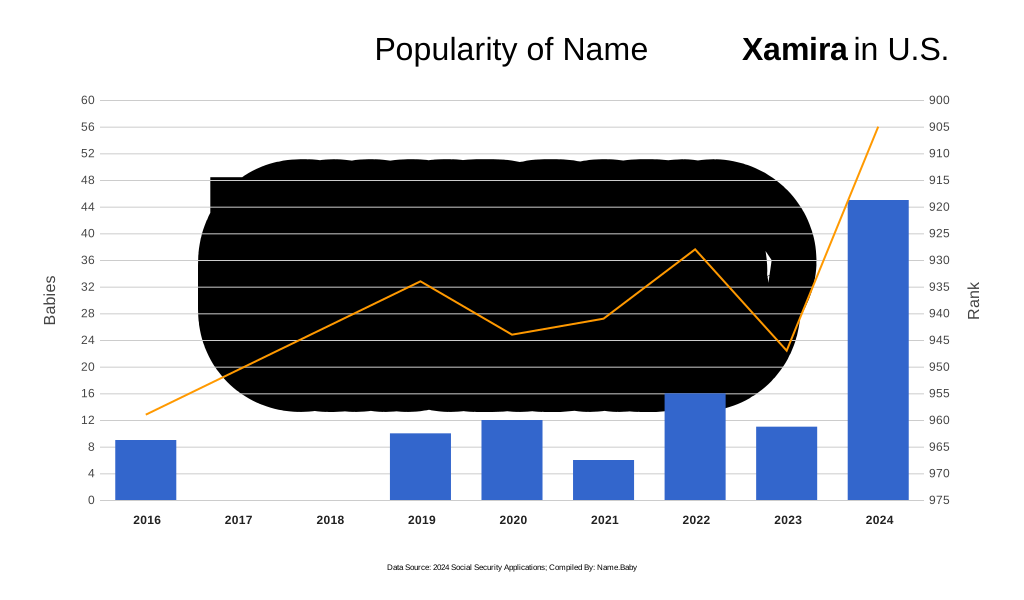
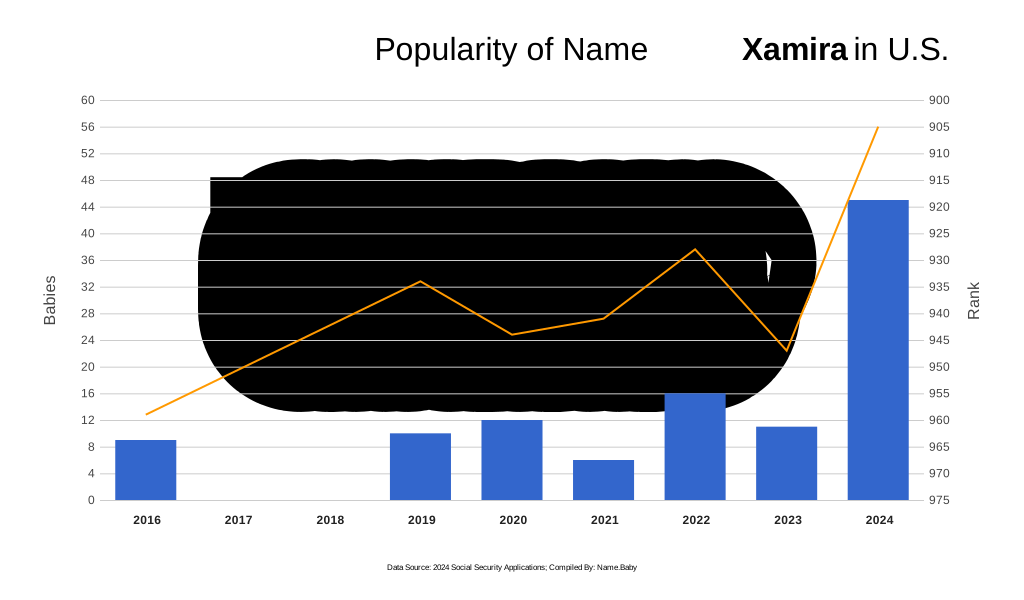
Xamira, a feminine appellation whose sonorous syllables dance upon the tongue like a dawn chorus weaving through Iberian plazas and Levantine bazaars, occupies a distinctive niche in contemporary onomastics. Though its precise etymology remains the subject of polite scholarly dispute, many trace its lineage to the Arabic za-mīrah—“song” or “melody”—and to the Hebrew ḥa-mīrā—“precious” or “treasured”—while Spanish speakers render it ha-MEE-rah and Portuguese speakers sha-MEE-ra, each pronunciation preserving an undercurrent of lyrical grace. In the United States, Xamira has flouted the conventions of ubiquitous naming, ascending modestly from rank 944 in 2020 to 905 in 2024, a quiet testament to its growing appeal among parents who prefer a name that flirts with obscurity rather than the top ten. This convergence of linguistic currents and cultural echoes—an academic mosaic tinged with Latin warmth—imbues Xamira not merely with identity but with the promise of a life lived in harmonious resonance.
Pronunciation
Spanish
- Pronunced as ha-MEE-rah (/xa'miɾa/)
Hebrew
- Pronunced as ha-MEE-rah (/χa'mi:ra/)
Portuguese
- Pronunced as sha-MEE-ra (/ʃa'miɾa/)
Arabic
- Pronunced as za-MEER-uh (/zæˈmiːrə/)
U.S. Popularity Chart