Yetta
Meaning of Yetta
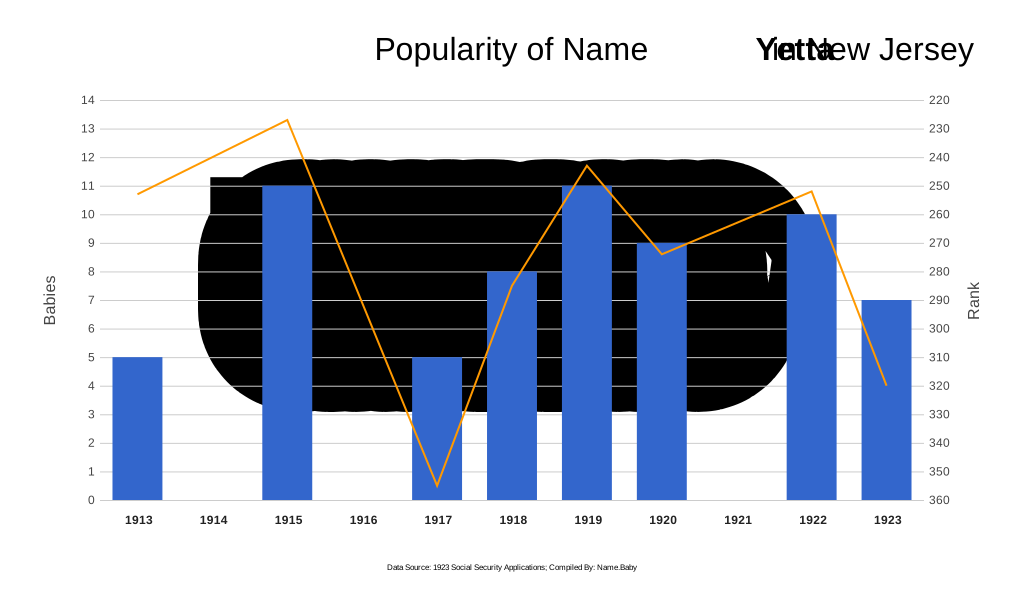
Yetta, a feminine forename with Germanic origins as a diminutive of Henrietta—itself derived from the Old High German elements heim (“home”) and rīhhi (“ruler”)—entered Anglo-American usage in the late nineteenth century, its phonological adaptation reflecting the influence of Yiddish-speaking Eastern European Jewish immigrants; in standard English it is pronounced /ˈjɛtə/ (YET-uh). Examination of New Jersey birth records between 1913 and 1923 reveals a modest but discernible presence, with five occurrences (rank 103) in 1913 and again in 1917 (rank 137), peaks of eleven instances (rank 124) in 1915 and (rank 131) in 1919, ten births (rank 137) in 1922, and nine (rank 143) in 1920—data that collectively chart an early twentieth-century adoption followed by gradual decline. As an object of onomastic study, Yetta exemplifies processes of diminutive formation, linguistic integration, and cultural transmission; its contemporary rarity imparts both historical resonance and a distinctive appeal for parents seeking a name with transparent etymology and understated individuality.
Pronunciation
English
- Pronunced as YET-uh (/ˈjɛtə/)
U.S. Popularity Chart
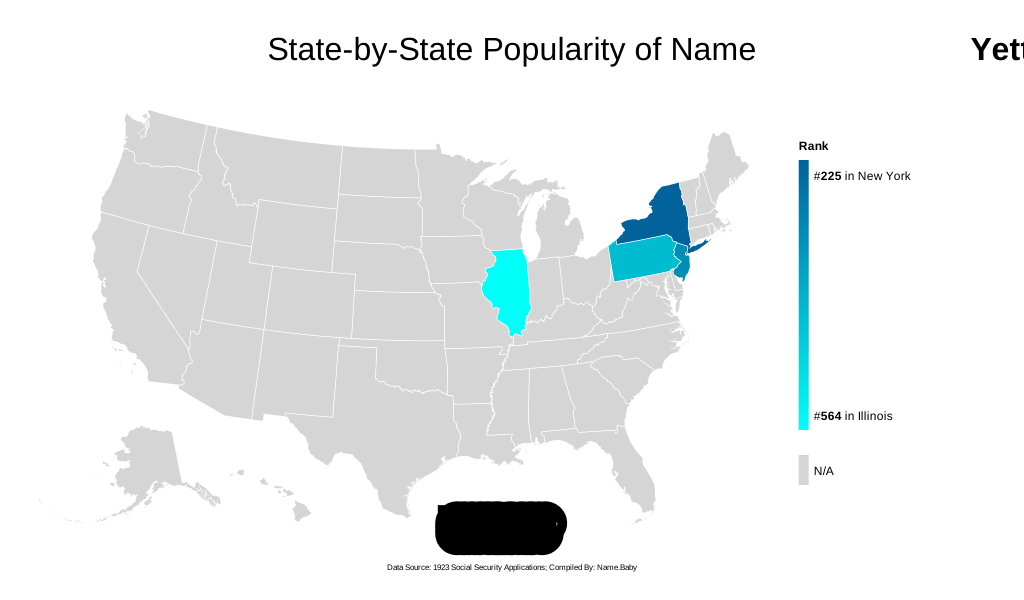
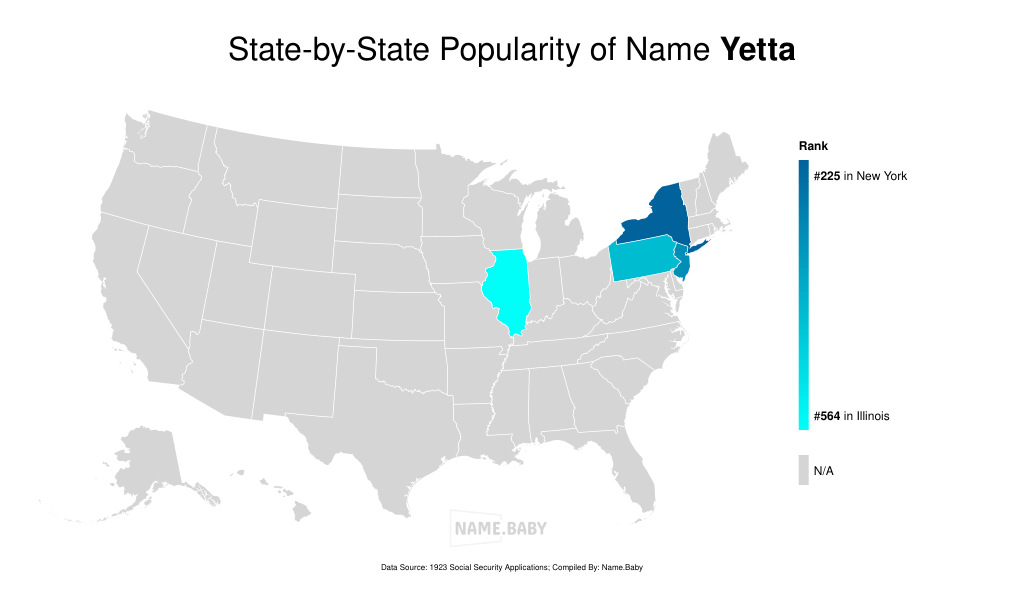
States Popularity Chart
Notable People Named Yetta
| Yetta Kohn - |
| Yetta Zwerling - |
