Zamora
Meaning of Zamora
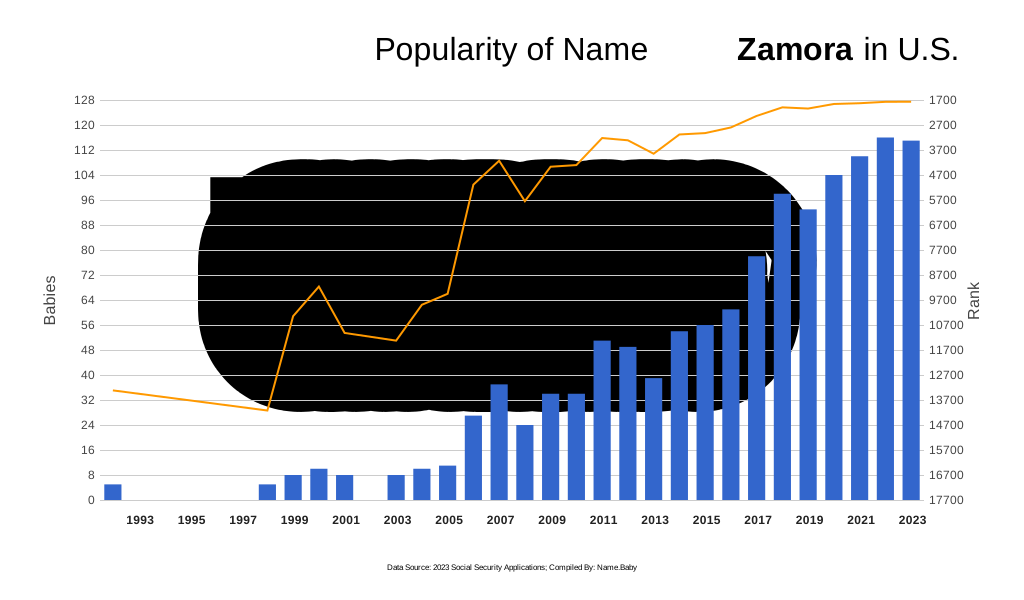
Zamora traces its roots to north-western Spain, where a fortified city of the same name guarded the River Duero for centuries; scholars link the toponym to pre-Roman “Semure,” though a competing, if less provable, theory points to the Arabic samurah, “olive tree.” As a given name, it migrated across the Atlantic with Spanish speakers and quietly entered the U.S. Social Security rolls in 1992. Usage has inched upward—hovering in the 800s for most of the past decade—suggesting a steady, if modest, appeal among parents who like the blend of Z-spark and Hispanic heritage without venturing into true rarity. Phonetically, zah-MOH-rah rolls off the tongue with a warm central vowel, and its consonant frame lends the kind of rhythmic punch marketers pay consultants to invent. Pop-culture sightings are scattered: the medieval kingdom of Zamora in Robert E. Howard’s Conan tales, a handful of Latin American footballers, and the occasional jazz surname cameo. All told, Zamora offers an under-the-radar option for families seeking a name that sounds both established and a touch adventurous—without having to field endless pronunciation seminars at kindergarten roll call.
Pronunciation
Spanish
- Pronunced as zah-MOH-rah (/zaˈmoʀa/)
U.S. Popularity Chart
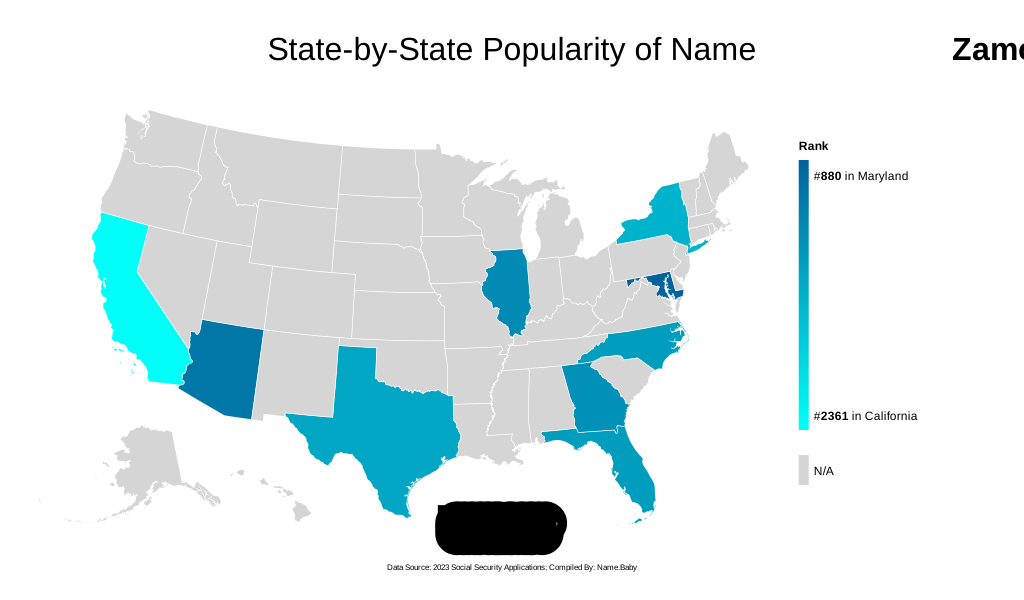
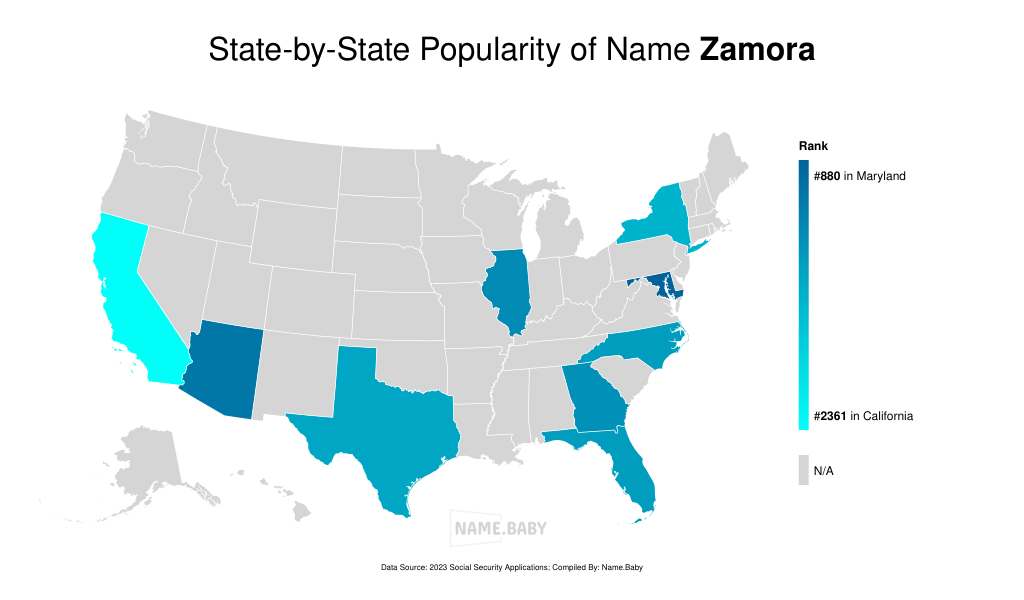
States Popularity Chart
Notable People Named Zamora
| Zamora - |
