Zubayr
Meaning of Zubayr
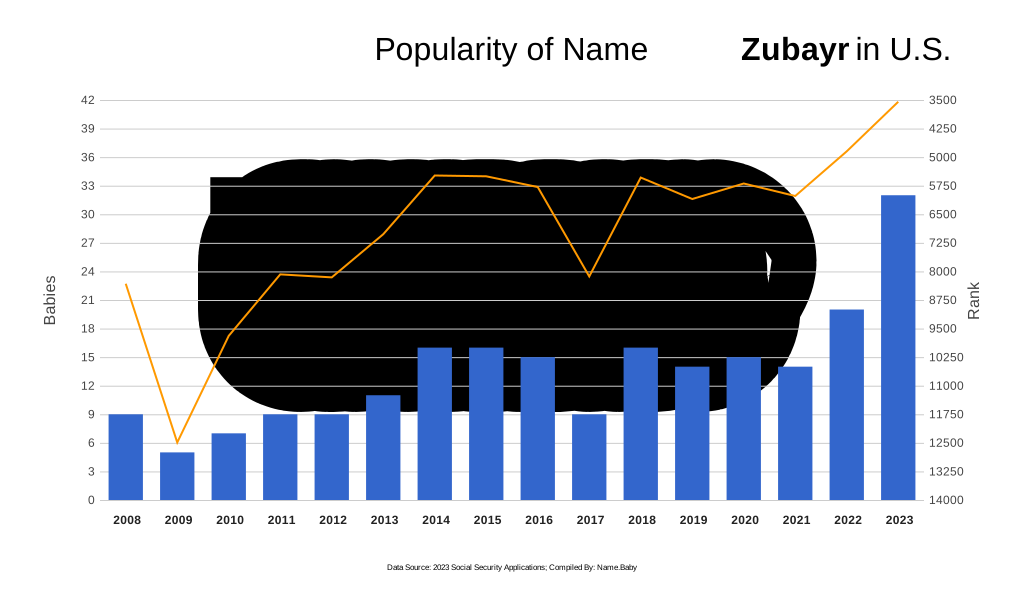
Zubayr, articulated in Arabic as /zuːˈbeɪr/, originates from the triliteral root z-b-r, which in classical lexicons denotes strength, bravery, and steadfast resolve, thereby imbuing the name with a semantic resonance of fortitude. Historically associated with eminent early Islamic personae—most notably Zubayr ibn al-Awwam, a distinguished companion of the Prophet Muhammad—the appellation carries a venerable heritage of martial valor and unwavering loyalty. In the United States, its incidence among male newborns remains comparatively limited, exhibiting modest fluctuations over the past fifteen years, with its 2024 usage of 36 occurrences positioning it at 888th on the national registry; such metrics reflect a gradual but discernible anglophone assimilation of Arabic onomastic forms. Through its succinct two-syllable structure and clear phonetic contour, Zubayr achieves a balance between cultural specificity and cross-linguistic accessibility.
Pronunciation
Arabic
- Pronunced as zoo-BAYR (/zuːˈbeɪr/)
U.S. Popularity Chart
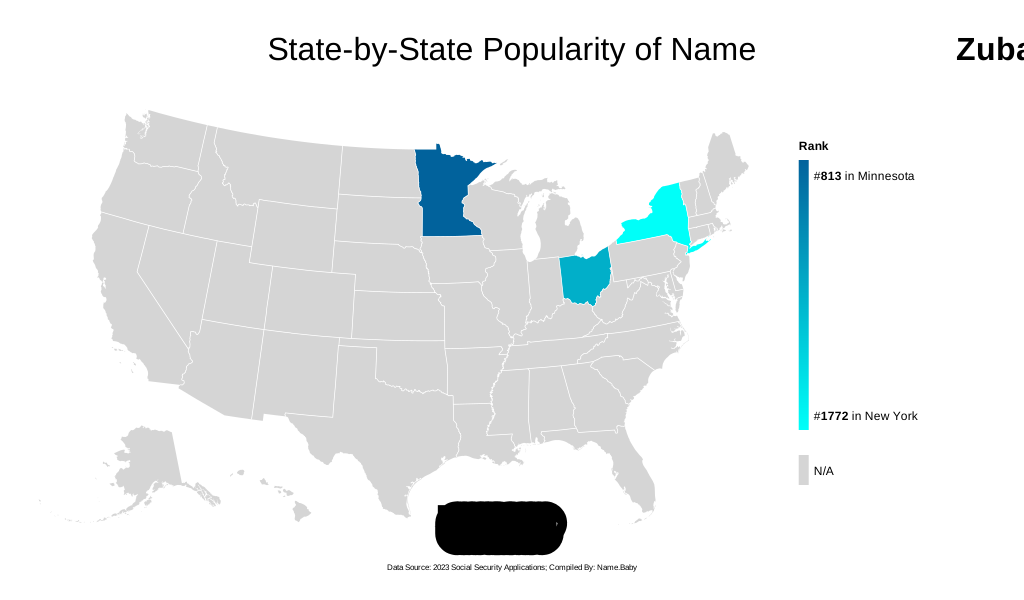
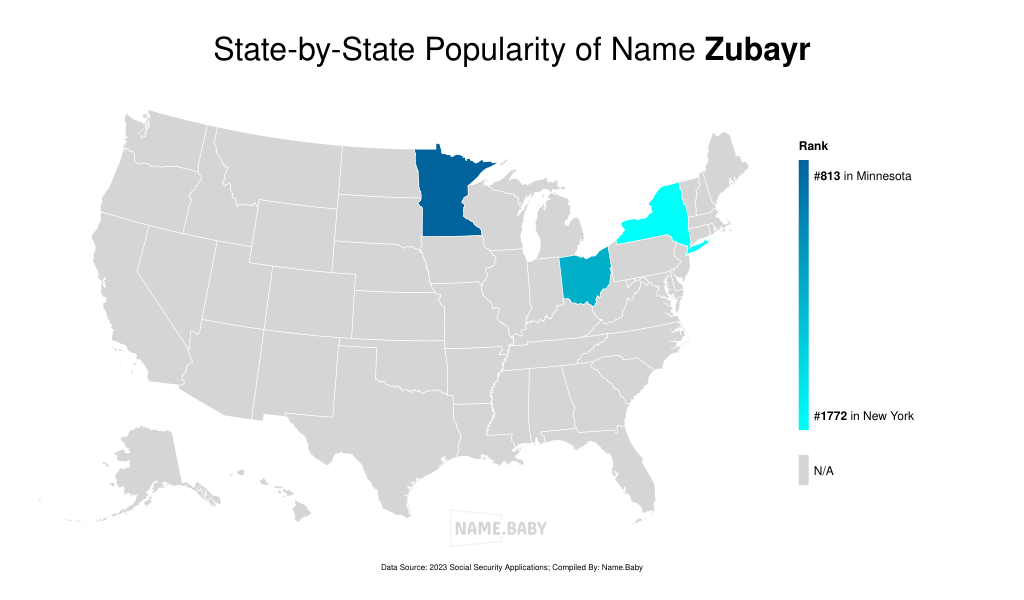
States Popularity Chart
Notable People Named Zubayr
| Zubayr ibn al-Awwam - |
