Acadia
Meaning of Acadia
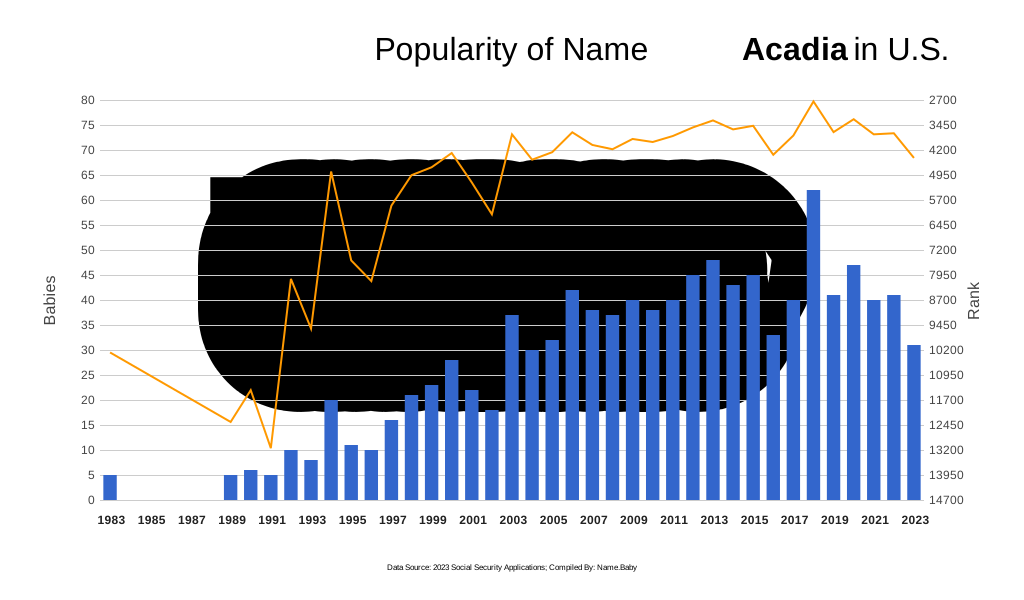
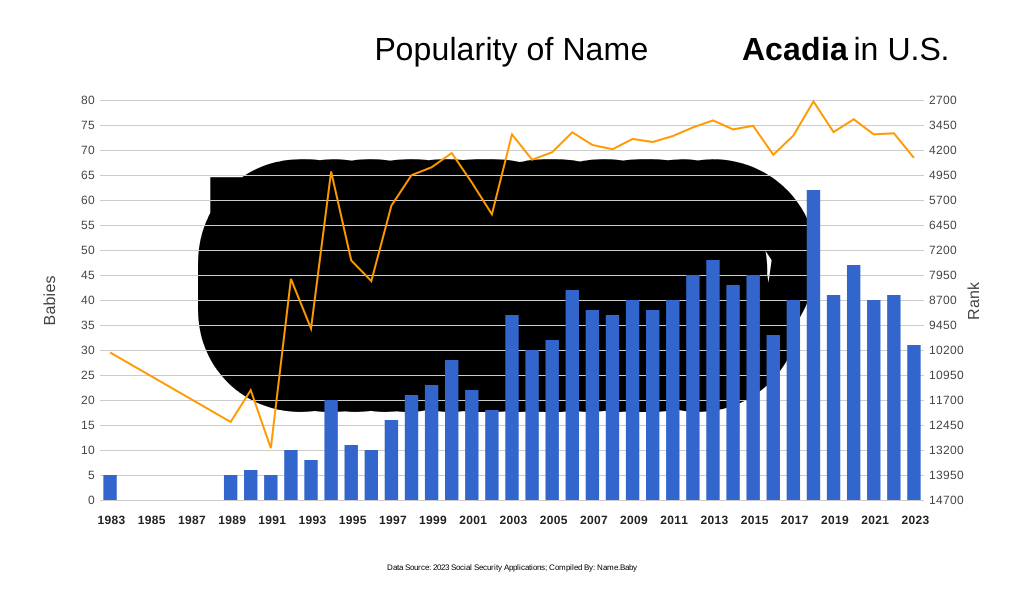
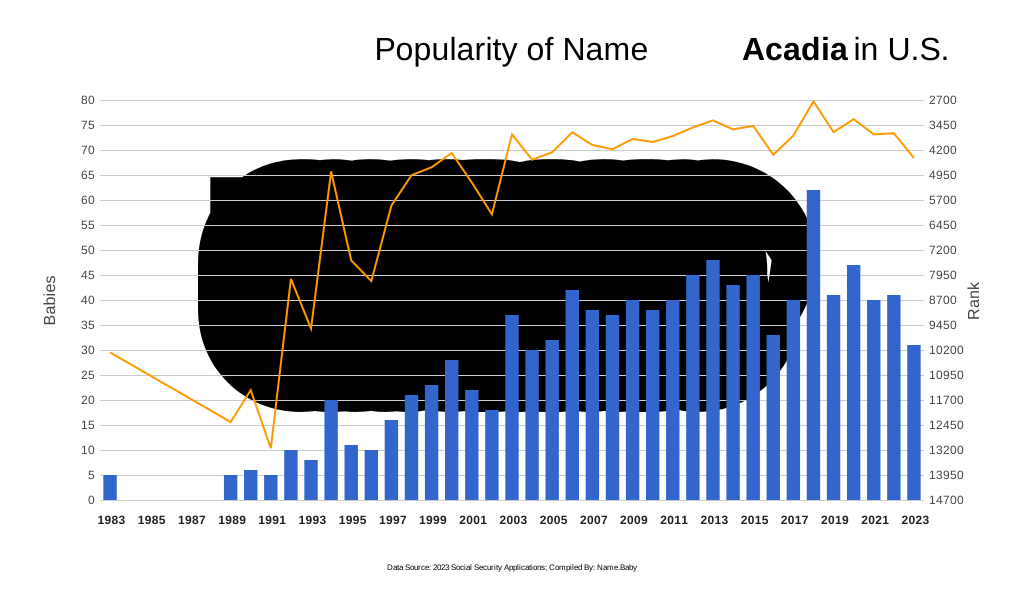
Acadia, pronounced /əˈkeɪdiə/, emerges as a feminine name imbued with the mythical resonance of classical Arcadia while simultaneously evoking the rugged maritime frontiers of the Canadian Maritimes. Deriving its appellation from the French Acadie—potentially traced to the Mi’kmaq term akadie, signifying “fertile land”—this name unfolds like a palimpsest of cultural strata: it bridges the Arcadia celebrated by Latin poets such as Virgil and Ovid and the untamed shores of the North Atlantic, weaving an elegy of verdant valleys and crystalline bays into its very fabric. With syllables that ripple upon the tongue like wind over ancient pines, Acadia imparts to each bearer a sense of serene sovereignty within a world in constant flux. In the United States, it has maintained a measured yet persistent presence in naming charts, recording thirty to fifty annual occurrences since the early 2000s and oscillating within the 850–915 rank range—an empirical testament to its appeal among connoisseurs of distinctive nomenclature. Warmly embraced by parents seeking a moniker that conjoins erudite heritage with unspoiled beauty, Acadia stands as an enduring emblem of both pastoral ideal and pioneering spirit.
Pronunciation
English
- Pronunced as uh-KAY-dee-uh (/əˈkeɪdiə/)
U.S. Popularity Chart