Eidan
Meaning of Eidan
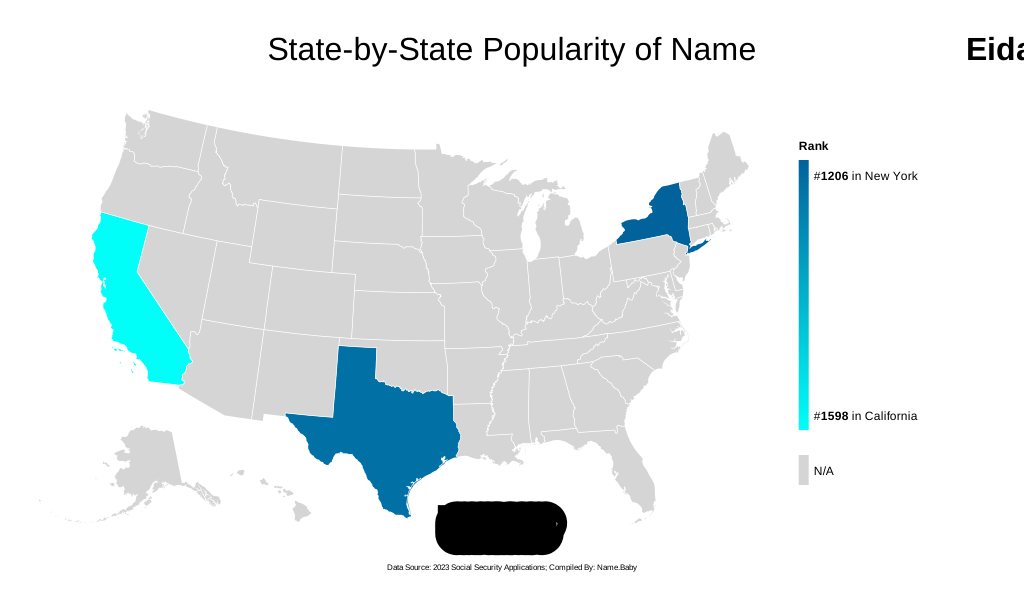
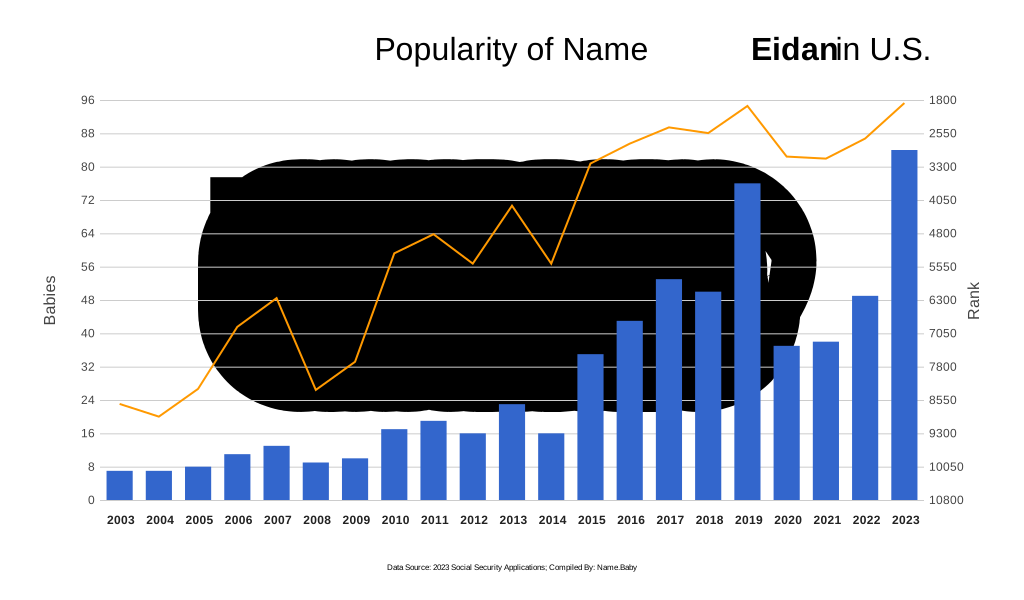
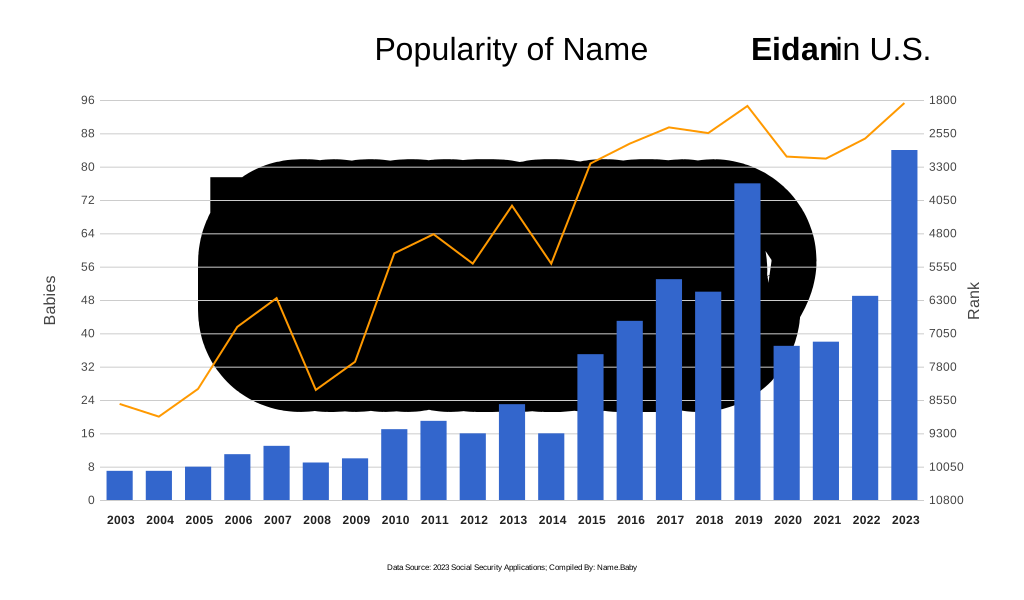
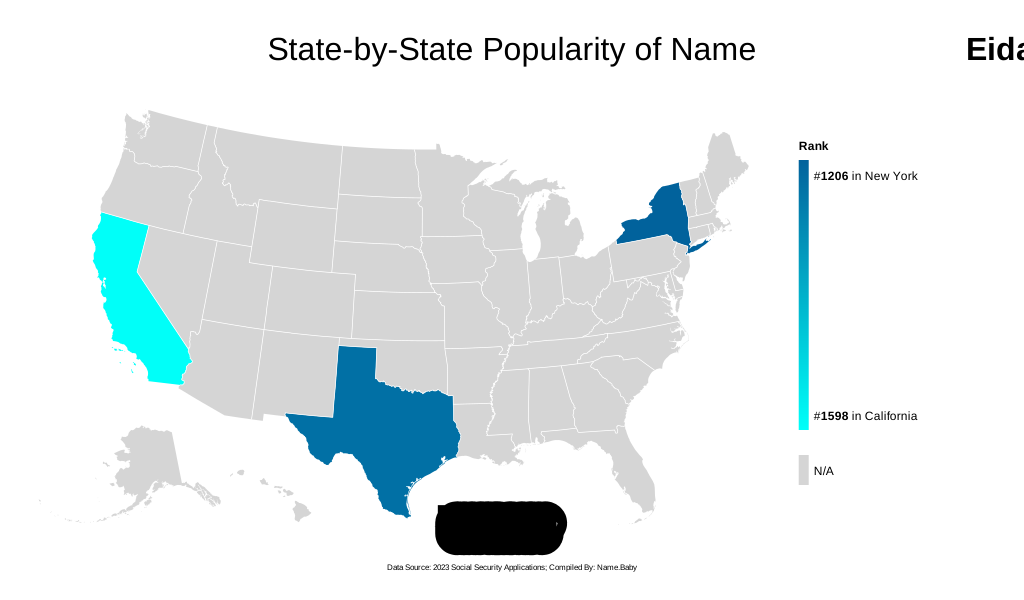
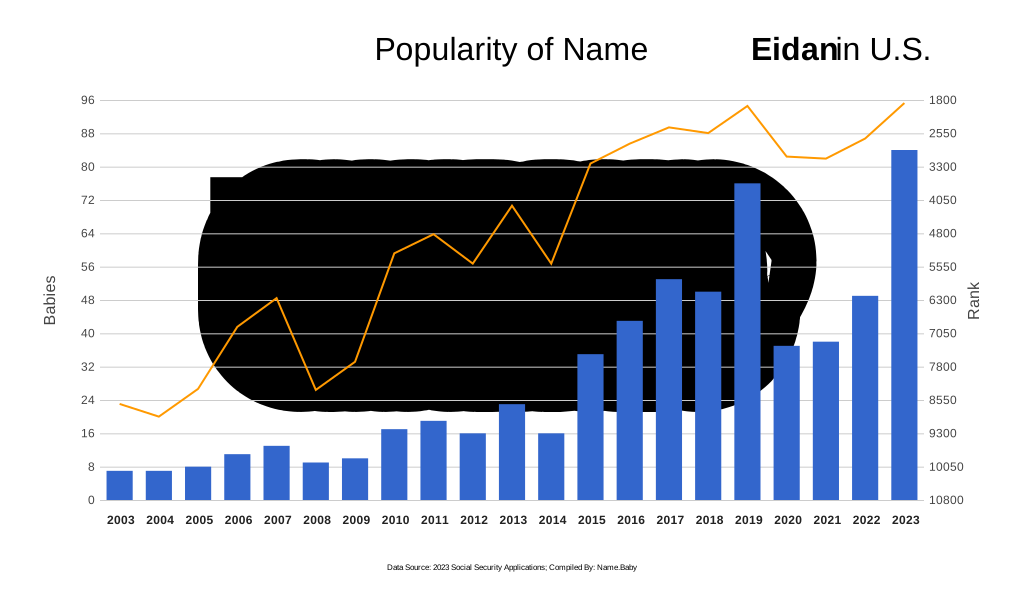
Eidan, a masculine given name of modern Hebrew provenance, derives from the noun עֵידָן, denoting an “epoch” or “era,” and is articulated in English as AY-dan (/eɪˈdɑn/); its phonetic overlap with the Celtic-Gaelic Aidan further broadens the name’s cross-cultural resonance. The notion of a new epoch embedded in its etymology lends Eidan a forward-looking quality that appeals to parents seeking a quiet yet substantive emblem of renewal. This appeal is reflected, albeit modestly, in United States vital statistics: since first appearing in the national data set in 2003, the name has maintained a presence within, though never at the summit of, the top 1,000—rising from single-digit annual usages to a recent peak of eighty-nine births in 2024. Absent a dense historical lattice of famous antecedents, Eidan remains comparatively unencumbered by fixed cultural narratives, allowing contemporary bearers to infuse it with personal significance. Structurally concise, sonically familiar, and semantically rich, Eidan thus occupies a liminal space where linguistic heritage and modern naming aesthetics converge.
Pronunciation
Hebrew
- Pronunced as ay-DAHN (/eɪˈdɑn/)
British English
- Pronunced as AY-dan (/eɪˈdan/)
American English
- Pronunced as AY-dan (/eɪˈdɑn/)
U.S. Popularity Chart
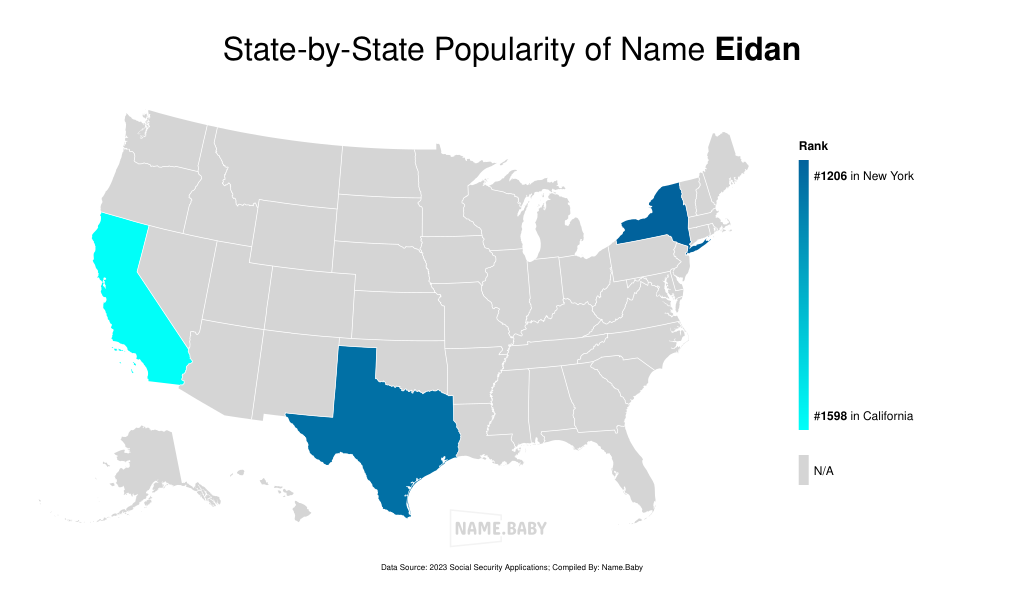
States Popularity Chart