Izel
Meaning of Izel
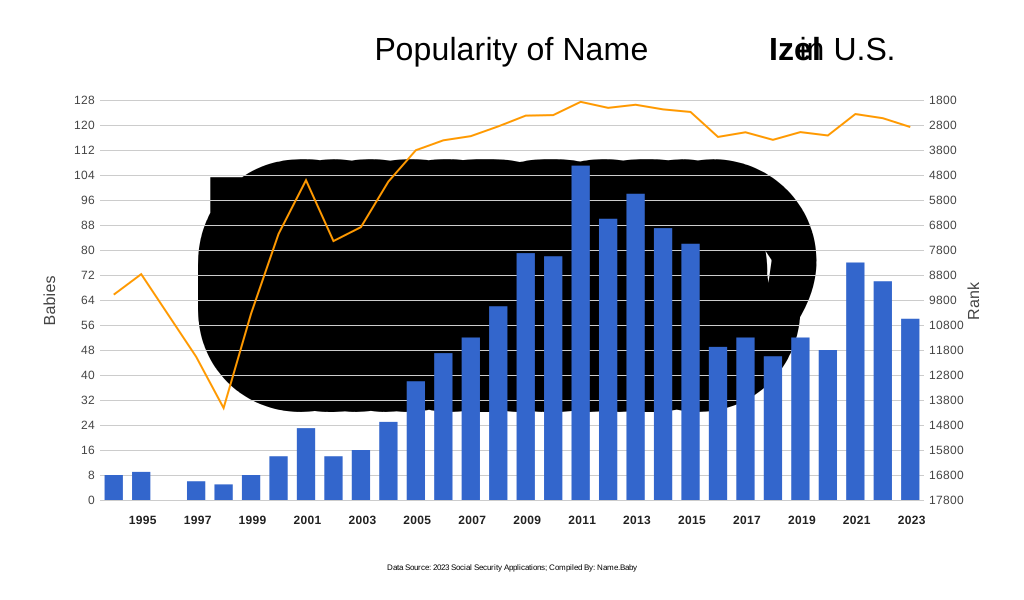
In the Nahuatl language that shimmered beneath the obsidian temples of old Tenochtitlan, Izel signified “the one and only,” and that spirit of rare distinction now drifts, like morning mist over a Kyoto rock garden, into modern naming circles; pronounced ee-ZEL, the name glides without gender, its two syllables balanced as perfectly as twin crane wings in a sumi-e painting, while its steady but never-crowded appearance on U.S. birth charts—hovering in the high 800s for decades—suggests a quiet constellation rather than a blazing comet, ideal for parents who prefer moonlight to spotlight.
Pronunciation
Nahuatl (Aztec)
- Pronunced as ee-ZEL (/iːˈzɛl/)
U.S. Popularity Chart
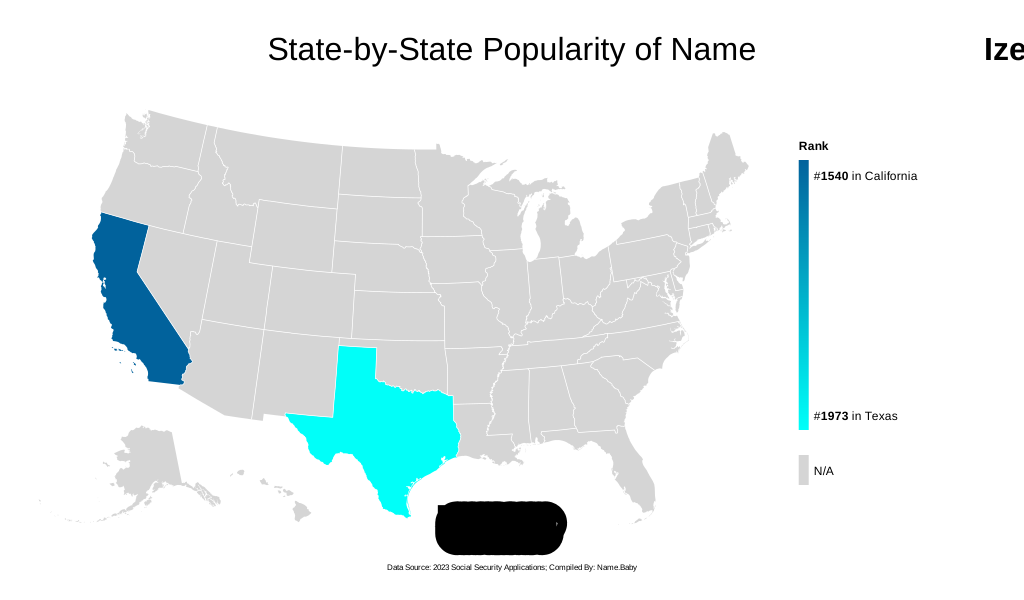
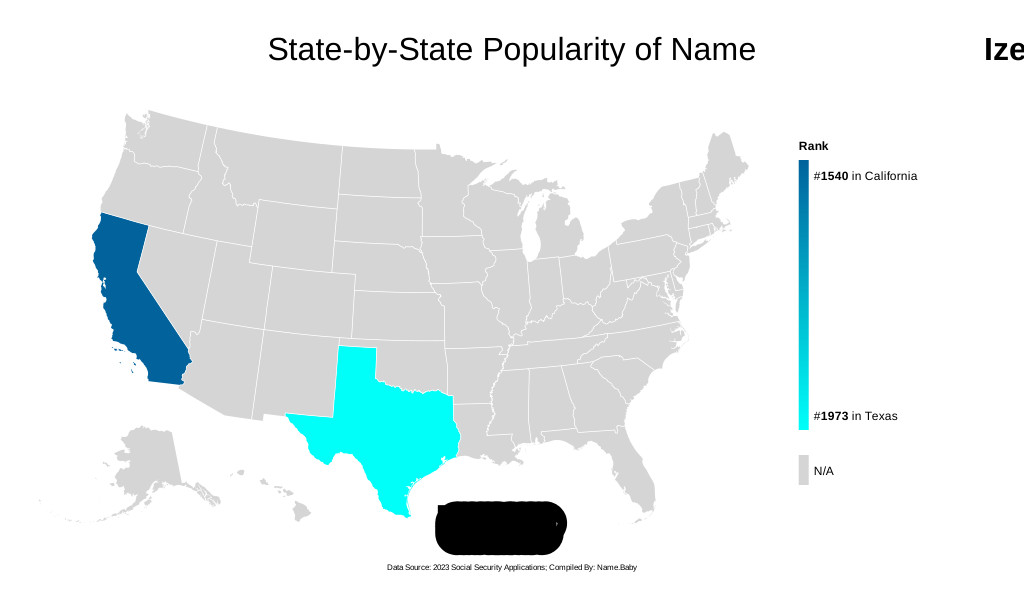
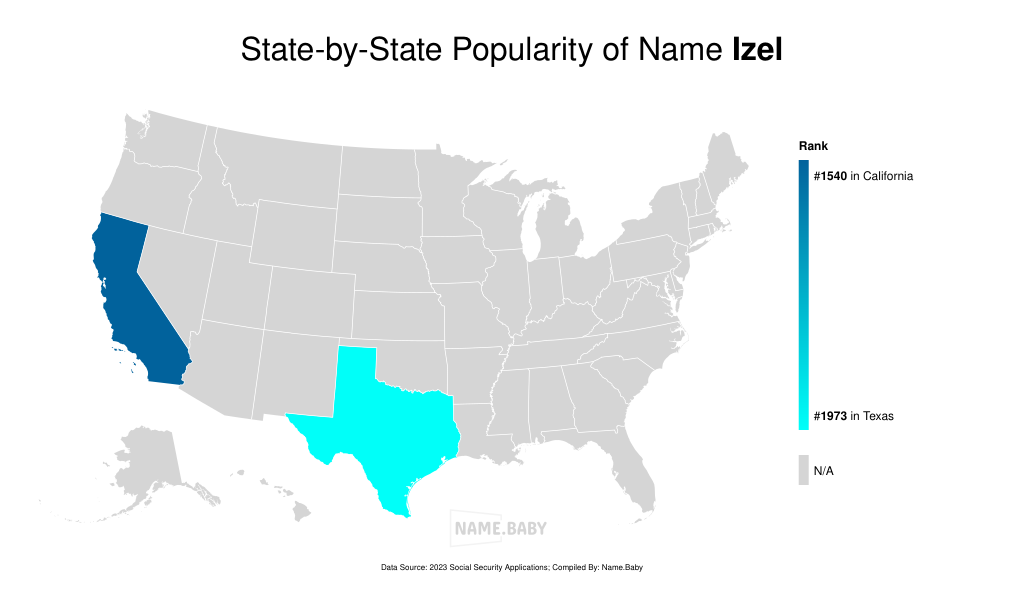
States Popularity Chart
Notable People Named Izel
| Izel Bezuidenhout - |
| İzel - |
