Ophie
Meaning of Ophie
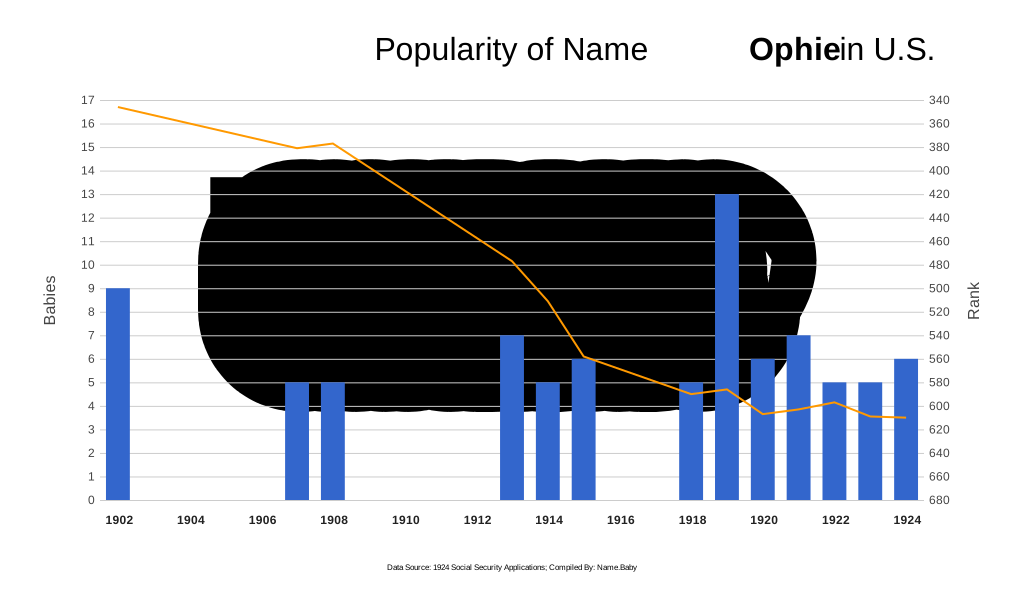
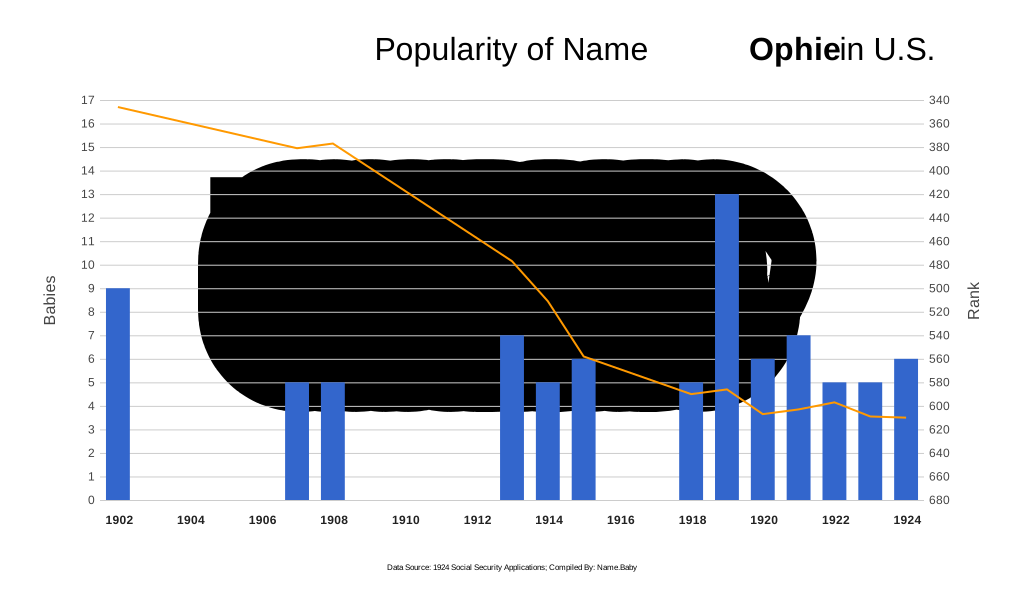
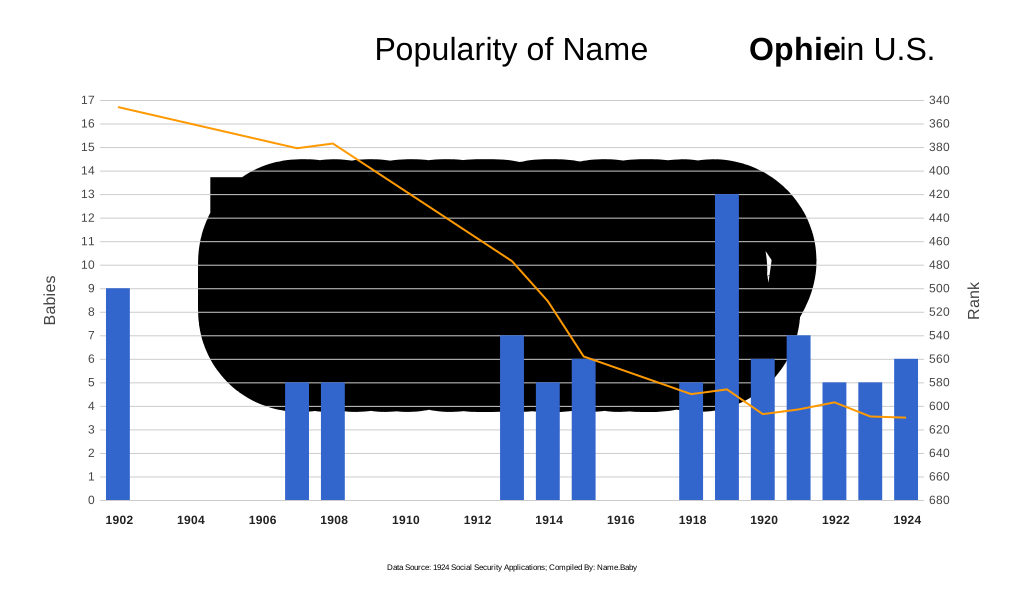
Pronounced OH-fee (/ˈoʊ.fi/), Ophie traces its lineage to the Greek Ophelia—derived from ophéleia, “help”—and carries literary echoes of Shakespeare’s thoughtful heroine without the burden of tragedy. Official SSA data records its use in the United States between 1902 and 1924, with annual occurrences fluctuating from five to thirteen, peaking at 13 in 1919; it never stormed the charts—perhaps content to maintain a quietly distinctive presence rather than dominate playgrounds. To Persian sensibilities, where syllabic harmony and poetic meaning intertwine, Ophie’s round vowel and gentle fricative suggest the soft unfolding of a pomegranate blossom in dawn’s first light, aligning neatly with a tradition that prizes names embodying inner virtues. An analytical glance at the numbers underscores its role as a niche but enduring choice, one that balances classical resonance with lyrical simplicity.
Pronunciation
English
- Pronunced as OH-fee (/ˈoʊ.fi/)
U.S. Popularity Chart